• We will beat our competitors
  • australia's #1 online pharmacy
  • lowest price guaranteed

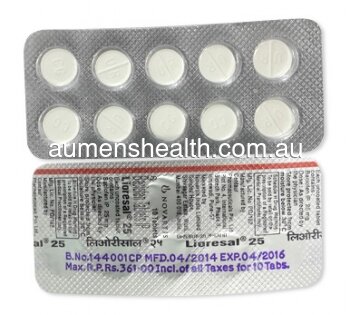
Lioresal online in Australia

  • 4.12

Use

Therapeutic indications

Adult

Baclofen is indicated as a treatment for:

  • Spastic contractures of multiple sclerosis.
  • Spastic contractures of spinal disorders (infectious, degenerative, traumatic, neoplastic).
  • Spastic contractions of cerebral origin.

Pediatric population (6 to 18 years old)

Baclofen is indicated as a symptomatic treatment of:

  • Spastic contractions of cerebral origin (infantile cerebral palsy, cerebrovascular accident, neoplastic or degenerative cerebral disease).
  • Muscular spasticity that occurs in diseases of the spinal cord of infectious, degenerative, traumatic, neoplastic or secondary to multiple sclerosis, spastic spinal palsy, amyotrophic lateral sclerosis, syringomyelia, transverse myelitis.

Dosage and method of administration

Dose

Individually adapted, the dose is slowly progressive.

The lowest possible dose consistent with an optimal response is recommended.

The optimal dose should be individually adjusted to reduce cloning, flexor / extensor muscle spasms and spasticity, while minimizing the occurrence of side effects.

To avoid weakness and excessive falls, LIORESAL should be used with caution when spasticity is necessary to stand upright, balance the musculoskeletal system, or other functions. A certain degree of muscle cloning and occasional spasms may be important in supporting circulatory functions and possibly preventing deep vein thrombosis.

If the therapeutic goal is not reached after 6 to 8 weeks of treatment at maximum doses, the treatment will be re-evaluated.

With the exception of emergency situations related to overdose or the appearance of serious adverse effects, treatment interruption should always be gradual (in 1 to 2 weeks, in increments of 10 or 15 mg) (see section warnings and precautions for use ). If symptoms return, treatment should be resumed with the previous dose.

Adults

Start treatment with 15 mg per day, preferably in 2 to 3 doses, and increase doses gradually with caution (for example, 15 mg every 3-4 days) until the optimal daily dose is obtained, which is generally between 30 and 80 mg per day. An intake may be recommended at bedtime in cases of painful night spasticity.

In some particularly drug-sensitive patients, it is preferable to start with a lower daily dose (5 or 10 mg) and increase this dose very gradually (see Warnings and precautions for use section).

In hospitals, daily doses of up to 100 to 120 mg can be administered under close clinical supervision.

During the rehabilitation of neurological spasticity, a daily dose of 30 to 40 mg is usually sufficient.

Special populations

Pediatric population (6 to 18 years old):

Treatment is started with very low doses of the order of 0.3 mg / kg / day divided into 2 to 4 doses (preferably 4 doses). Given the recommended doses and available presentations, LIORESAL is not suitable for children under 33 kg. The daily dose should be carefully increased from one to two weeks to the optimal dose for the child. As an indication, the usual daily maintenance dose ranges from 0.75 to 2 mg / kg of body weight in three doses. The total daily dose should not exceed 40 mg / day in children younger than 8 years. In children older than 8 years, a maximum dose of 60 mg / day can be administered.

Elderly and patients with spasticity of cerebral or medullary origin:

To decrease the frequency of occurrence of side effects, the administration of a lower starting dose and its gradual increase under supervision is recommended.

Kidney failure or dialysis:

Choose an initial daily dose of approximately 5 mg / day. Signs and symptoms of overdose have been reported at doses greater than 5 mg per day.

The baclofen dose should be adjusted according to its plasma concentration in patients with renal impairment. A short hemodialysis is an effective way to remove excess baclofen from the bloodstream.

Liver failure:

No studies have been conducted in patients with hepatic impairment treated with LIORESAL. The liver does not play a major role in the metabolism of orally administered baclofen (see section Pharmacokinetic properties). However, LIORESAL can cause an increase in liver enzymes. LIORESAL should be administered with caution to patients with hepatic impairment (see section 4.4).

Administration form

Oral use.

The tablets should be absorbed during meals with a glass of water.

Due to its pharmaceutical form, LIORESAL is not suitable for children under 6 years (approximately 33 kg).

Prescription and delivery conditions

List I.

Refund according to the indication (DO of 06/13/2014):

The indications that are the subject of the temporary use recommendation mentioned below are supported under the same conditions as those that apply to indications supported by the marketing authorization.

Management after failure of other available therapies in alcohol dependent patients in the following two indications:

- Helps maintain abstinence after weaning in alcohol dependent patients.

- Significant reduction in alcohol consumption at the low level of consumption as defined by the WHO in high-risk alcohol-dependent patients.

Duration and special precautions for conservation

Shelf life: 3 years.

Special precautions for storage: Store at a temperature below 25 ° C and away from moisture.

Preclinical safety data

Repeated doses of toxicity

In a 2-year oral study in rats, there was an increase in the occurrence of ovarian cysts and a slight dose-dependent increase in the volume of the adrenal glands. The clinical relevance of these effects is unknown.

Reprotoxicity

Animal studies have shown that orally administered baclofen is teratogenic. Omphaloceles (ventral hernias) have been observed in rats but not in mice or rabbits.

Genotoxicity and carcinogenesis.

Baclofen has shown no genotoxic potential based on the results of a battery of in vitro and in vivo studies.

A 2-year oral study in rats showed that baclofen was not carcinogenic.

Incompatibilities

Aimlessly.

Employment precautions

Contraindications

This medication is contraindicated in the following cases:

  • hypersensitivity to the active substance or to any of the excipients included in the Composition section.
  • in patients with wheat allergy (other than celiac disease).

Pregnancy and lactation

Pregnancy

Animal studies have shown a teratogenic effect of oral baclofen.

Administered orally in animals, baclofen crosses the placenta.

In clinical practice, there is currently insufficiently relevant data to assess a possible malformation or fetotoxic effect of baclofen when administered during pregnancy.

Therefore, oral baclofen should only be used during pregnancy if necessary.

If baclofen is used orally until delivery, a withdrawal syndrome in the newborn is possible. This syndrome can be delayed for several days after birth. Adequate monitoring and management must be implemented.

Breastfeeding

Very little data is available on the use of baclofen during lactation.

Consequently, breastfeeding should be avoided.

Fertility

There are no data available on the effect of baclofen on human fertility. In rats, baclofen administered in non-toxic doses to the mother had no effect on male or female fertility.

Warnings and precautions for use

LIORESAL will only be administered if the benefit outweighs the risk. The occurrence of undesirable effects (in particular drowsiness and lethargy) should be controlled in patients at risk (multiple deficient severe stroke, end-stage renal failure).

Pediatric population

Clinical experience with the use of baclofen in children younger than 1 year is very limited.

Treatment interruption

Do not stop treatment suddenly because of the risk of withdrawal syndrome. In fact, a sudden interruption of treatment (by analogy with what has been observed in the case of intrathecal administration) can lead to a withdrawal syndrome that is sometimes fatal with the following symptoms in relation to a probable elevation of serotonergic tone: neuromuscular disorders (spasticity, dyskinesia, rhabdomyolysis, paresthesia, seizures, or even epilepticus), pruritus, dysautonomia (hyperthermia, hypotension), disorders of consciousness and behavior (confused state, hallucinations, manic or paranoid psychotic state), and coagulopathy .

Unless there is an emergency related to overdose or the appearance of serious adverse effects, treatment should always be discontinued gradually (over a period of approximately 1 to 2 weeks).

Respiratory problems

The risk of respiratory depression is increased when CNS depressant medications are prescribed together. Particular monitoring of respiratory and cardiovascular functions is essential in patients suffering from cardiopulmonary disease or paresis of the respiratory muscles.

Porphyria

The use of this medicine is not recommended in patients with porphyria, by extrapolation from animal data.

This medicine can be used for celiac disease. Wheat starch may contain gluten, but only in small amounts, making it considered safe for people with celiac disease.

Employment precautions

Renal insufficiency

LIORESAL should be used with caution in patients with renal impairment and can only be administered in patients with end-stage renal disease if the expected benefit outweighs the risk involved (see section 4.2).

Special precautions are needed when LIORESAL is combined with medications that can have a significant impact on kidney function. Kidney function should be closely monitored and the daily dose of LIORESAL should be adjusted to prevent baclofen toxicity. Patients should be closely monitored for a rapid diagnosis of early signs and / or symptoms of toxicity (eg, drowsiness, lethargy) (see section Overdose).

Epilepsy

In epileptic patients suffering from spasticity, comitia attacks can occur at therapeutic doses or in overdose or during withdrawal. In these patients, continue antiepileptic treatment and reinforce monitoring (see section Unwanted effects).

Urinary problems

In pre-existing sphincter hypertonia, the possible occurrence of acute urinary retention requires the careful use of baclofen.

Biological analysis

In case of liver disease or diabetes, regular checks for transaminases, serum alkaline phosphatases, or blood sugar are necessary.

Psychiatric disorders

Use with caution in patients with a history of psychotic disorders, confusion and depression.

Other situations that require careful use in patients with or with a history of:

  • cerebrovascular disease,
  • respiratory insufficiency
  • gastric or duodenal ulcer,
  • parkinson's disease

Interaction with other medicinal products and other forms of interaction

Associations not recommended

+ Alcohol (drink or excipient)

Alcohol increase in the sedative effect of baclofen. Impaired alertness can make driving and using machines dangerous.

Avoid drinking alcoholic beverages and drugs that contain alcohol.

Association subject to precautions for use.

+ Antihypertensive drugs

Risk of increased hypotension, especially orthostatic. Control of blood pressure and dose adjustment of the antihypertensive if necessary.

Associations to consider

+ Imipramine antidepressants

Risk of increased muscle hypotonia.

+ Dapoxetine:

Risk of increased unwanted effects, particularly with dizziness or syncope.

+ Sedative drugs:

Morphine derivatives (pain relievers, cough suppressants, and substitution treatments), neuroleptics, barbiturates, benzodiazepines, anxiolytics other than benzodiazepines (eg, meprobamate), hypnotics, sedative antidepressants (amitriptyline, doxepin, mianserin, mirtazapine, trimistamine) , trimistamine, trimistamine, trimistamine central antihypertensive drugs, thalidomide.

Increased central depression. Altering alertness can make driving and using machines dangerous (see the Effects on Ability to Drive and Use Machines section).

+ Levodopa

Risk of worsening Parkinson's syndrome or central adverse effects (visual hallucinations, confusion, headache).

+ Drugs that cause orthostatic hypotension

Risk of increased hypotension, especially orthostatic.

Caution

Undesirable effects

Most often at the start of treatment (eg, Sedation) during too rapid a dose increase or the use of too high doses, they are often transient and can be reduced or eliminated by reducing the dose. . They rarely require that treatment be discontinued.

Sometimes they are more serious in the elderly, or with a psychiatric history or cerebrovascular disorders.

Nervous system disorders

Very common:

sedation, drowsiness, especially at the start of treatment

Frequent:

confusion, dizziness, headache, insomnia, ataxia, tremors

Rare

paresthesia, dysarthria, dysgeusia, tinnitus

Frequency not known:

decreased epileptogenic threshold in epileptics, paradoxical increase in spasticity in certain patients.

Psychiatric disorders

Frequent: state of euphoria, depression, hallucinations.

Eye conditions

Frequent:

accommodation disorders

Musculoskeletal and connective tissue disorders.

Rare

muscle hypotonia that can be corrected by reducing the dose administered during the day and by possibly increasing the dose at night.

Heart conditions

Rare

bradycardia

Respiratory conditions

Frequent:

respiratory depression

Vascular disorders

Frequent:

hypotension

Gastrointestinal disorders.

Very common:

sickness

Frequent:

vomiting, constipation, diarrhea, dry mouth

Rare

abdominal pain, anorexia

Hepatobiliary disorders.

Rare

abnormal liver function (increased alkaline phosphatases and transaminases)

Skin and subcutaneous tissue disorders.

Frequent:

hyperhidrosis, rash

Frequency not known:

urticaria

Kidney and urinary tract disorders.

Frequent:

worsening of pre-existing dysuria

General disorders and administration site conditions.

Very common:

Very rare :

asthenia

dose-dependent hypothermia

Research

Frequency not known:

increased blood sugar (see section 4.4)

The epileptogenic threshold can be lowered, seizures can occur particularly in epileptics.

The undesirable effects are presented below in decreasing order of frequency using the following categories: very common (³ 1/10), common (³ 1/100 and minus 1/10), uncommon (³ 1/1000 and minus 1 / 100), rare (³ 1/10000 and minus 1/1000), very rare (minus 1/10000), frequency not known (cannot be estimated from the available data).

Additional undesirable effects have been observed with LIORESAL solution for intravenous infusion: surveillance disorders (very common), anxiety, disorientation, hypersalivation, dyspnea, bradypnea, pruritus, facial or peripheral edema, pyrexia, pain, chills, incontinence urinary and urinary retention (common), suicide attempt, lethargy, hypertension, venous thrombosis, redness of the skin, paleness, muscle hypertonia, nystagmus dysphagia (rare), suicidal ideation, agitation, paranoid reactions, ileus, dehydration, alopecia , erectile dysfunction (rare), memory impairment, pneumonia, inhalation pneumonia (frequency not known).

Abstinence syndrome

Stopping treatment, especially if it is abrupt, can induce a sometimes fatal withdrawal syndrome. The most frequent withdrawal reactions (by analogy with that observed with intrathecal administration) are the following: neuromuscular disorders (spasticity, dyskinesias, rhabdomyolysis, paresthesias, seizures or even epilepticus), pruritus, dysautonomia (hyperthermia, hypotension), disorders of the awareness and behavior (state of confusion, anxiety, manic or paranoid psychotic state) and coagulopathy.

Except in the case of an emergency related to overdose or the appearance of serious undesirable effects, treatment should always be discontinued gradually (see sections Dosage and method of administration and Warnings and precautions for use).

Overdose

Clinical signs of an overdose:

  • disturbances of consciousness up to coma,
  • muscle hypotonia that can last 72 hours, which can reach the respiratory muscles.
  • other manifestations such as mental confusion, hallucinations, dizziness, nausea, vomiting, hypersialorrhea, seizures, EEG modification ("suppressor murmur" and triphasic waveform), bradycardia, hypotension and hypothermia.

What to do:

  • there is no specific antidote
  • immediate cessation of treatment,
  • immediate transfer to hospital
  • Quick elimination of the ingested product.

After ingestion of a potentially toxic amount, administration of activated charcoal may be considered, especially in the first hours after ingestion. Gastric lavage can be considered on a case-by-case basis, particularly within 60 minutes of ingestion of a life-threatening overdose.

Comatose or seizure patients should be intubated before starting gastric evacuation. In addition to discontinuation of treatment, unscheduled hemodialysis may be considered as an alternative in patients with severe toxicity due to baclofen. Hemodialysis facilitates the elimination of baclofen, alleviates the clinical symptoms of overdose and shortens the healing time in these patients.

  • symptomatic treatment of visceral failures,
  • If you use IV diazepam for seizures, give it with caution.
Package Price
10 mg 360 pillsAUD 370.65
10 mg 180 pillsAUD 205.74
10 mg 120 pillsAUD 152.79
10 mg 90 pillsAUD 127.07
10 mg 60 pillsAUD 93.78
10 mg 30 pillsAUD 52.94
10 mg 20 pillsAUD 39.32
10 mg 10 pillsAUD 24.19
25 mg 180 pillsAUD 523.45
25 mg 120 pillsAUD 387.29
25 mg 90 pillsAUD 323.75
25 mg 60 pillsAUD 239.02
25 mg 30 pillsAUD 149.76