• We will beat our competitors
  • australia's #1 online pharmacy
  • lowest price guaranteed

Valtrex online in Australia

  • 4.99

What is Valtrex used for?

Varicella zoster virus (VZV) infections

Valtrex is indicated for the treatment of shingles and ophthalmic shingles in immunocompetent adults (see section 4.4).

Valtrex is indicated for the treatment of shingles in an adult patient with mild or moderate immunosuppression (see section 4.4).

Herpes simplex virus (HSV) infections

Valtrex is indicated:

In the treatment and prevention of HSV infections of the skin and mucosa, including:

o treatment of the first episode of genital herpes in immunocompetent adults and adolescents and immunocompromised adults,

o the treatment of recurrences of genital herpes in immunocompetent adults and adolescents and immunocompromised adults,

o prevention of recurrences of genital herpes in immunocompetent adults and adolescents and immunocompromised adults.

In the treatment and prevention of recurrent HSV eye infections in immunocompetent adults and adolescents and immunocompromised adults (see section 4.4).

Clinical studies have only been performed in immunocompromised patients infected with HSV, whose immunosuppression was due to HIV (see section Pharmacodynamic properties).

Cytomegalovirus (CMV) infections

Valtrex is indicated for the prophylaxis of CMV infections and diseases, after organ transplantation, in adults and adolescents (see section 4.4).

Conditions for which this medicine may be prescribed

  • Varicella zoster virus infection
  • Herpes simplex virus infection
  • Prevention of recurrent herpes simplex infections of the skin and mucous membranes
  • Herpes simplex virus eye infection
  • Prevention of recurrent HSV eye infection
  • Prophylaxis of CMV infections and diseases after organ transplantation

Method of administration and dosage of the medicine Valtrex

Dose

Varicella zoster virus (VZV) infections: shingles and ophthalmic herpes

Once the diagnosis of herpes zoster has been established, patients should be informed of the need to start treatment as soon as possible. There are no data available on a treatment started more than 72 hours after the appearance of cutaneous manifestations.

Immunocompetent adult

In the immunocompetent patient, the dose is 1000 mg three times a day for seven days (i.e., a total daily dose of 3000 mg). This dose should be reduced based on creatinine clearance (see "Kidney Failure" paragraph below).

Immunocompromised adult

In the immunocompromised patient, the dose is 1000 mg three times a day (i.e., a total daily dose of 3000 mg) for at least seven days and for two days after crusting. This dose should be reduced based on creatinine clearance (see "Kidney Failure" paragraph below).

In the immunocompromised patient, antiviral treatment is recommended within one week after the appearance of vesicles, or at any time before the formation of crusts.

Treatment of herpes simplex virus (HSV) infections in adults and adolescents (≥12 years)

Immunocompetent adults and adolescents (≥ 12 years)

The dose is 500 mg twice a day (i.e. a total daily dose of 1000 mg). This dose should be reduced based on creatinine clearance (see "Kidney Failure" paragraph below).

In the case of recurrent episodes, the duration of treatment will be three to five days. In the case of the first episodes, which can sometimes be more severe, it may be necessary to extend the duration of treatment up to ten days. The patient should start treatment as soon as possible. Preferably, treatment of recurrent episodes should begin during the prodromal phase or as soon as the first signs or symptoms appear. When taken with the first signs and symptoms of a recurrent HSV infection, Valtrex can prevent lesion formation.

Herpes labialis

Valaciclovir given at a dose of 2000 mg twice daily for one day is an effective treatment for cold sores (cold sores) in adults and adolescents. The second dose should be taken approximately 12 hours (but never less than 6 hours) after the first dose. This dose should be reduced based on creatinine clearance (see "Kidney Failure" paragraph below).

The use of this dosing regimen imposes a duration of treatment not to exceed one day to the extent that prolonging treatment beyond this period has been shown to provide no additional clinical benefit. Treatment should be started as soon as the first symptom of a cold sore occurs (for example, tingling, itching, or burning).

Immunocompromised adult

The recommended dose for the treatment of HSV infections in immunocompromised adults is 1000 mg twice daily for at least five days, after assessing the severity of the patient's clinical and immune status. In the case of the first episodes, which can sometimes be more severe, it may be necessary to extend the duration of treatment up to ten days. The patient should start treatment as soon as possible. This dose should be reduced depending on creatinine clearance (see the "Kidney Failure" paragraph below). For maximum clinical benefit, treatment should be started within 48 hours. Close monitoring of lesion development is recommended.

Prevention of recurrent herpes simplex virus (HSV) infections in adults and adolescents (≥ 12 years of age)

Immunocompetent adults and adolescents (≥12 years)

The dose is 500 mg once a day.

This dose should be reduced depending on creatinine clearance (see the "Kidney Failure" paragraph below). Treatment should be reevaluated 6 to 12 months after its start.

Immunocompromised adult

The dose is 500 mg twice a day. This dose should be reduced based on creatinine clearance (see "Kidney Failure" paragraph below). Treatment should be reevaluated 6 to 12 months after its start.

Prophylaxis of cytomegalovirus (CMV) infections and diseases in adults and adolescents (≥ 12 years of age)

Valtrex should be administered at a dose of 2000 mg four times a day and this treatment should be started as soon as possible after transplantation. This dose should be reduced based on creatinine clearance (see "Kidney Failure" paragraph below).

The duration of treatment will generally be 90 days, but can be extended in high-risk patients.

Special populations

Children

The efficacy of Valtrex in children under 12 years of age has not been evaluated.

Old subject

In the elderly, the possibility of renal impairment should be considered and the dose adjusted accordingly (see paragraph "Renal impairment" below). Sufficient water intake should be maintained.

Renal insufficiency

Caution should be exercised when administering Valtrex to patients with renal impairment. Sufficient water intake should be maintained. In these patients, the dose of Valtrex should be reduced as indicated in Table 1 below.

In patients on intermittent hemodialysis, the Valtrex dose should be administered after the end of the dialysis session. Creatinine clearance should be checked frequently, especially during periods of rapid change in kidney function, for example, immediately after kidney transplantation or grafting. The dose of Valtrex should be adjusted accordingly.

Liver failure

Studies evaluating valaciclovir administered at a dose of 1000 mg in adult patients show that it is not necessary to modify the dose in patients with mild or moderate cirrhosis (normal functions of hepatic synthesis). Pharmacokinetic data obtained in adult patients with advanced cirrhosis (impaired hepatic synthesis functions and signs of portosystemic shunt) do not indicate the need for dose adjustment; However, clinical data remains limited. For information on the administration of higher doses (4000 mg or more per day), see section 4.4.

Table 1: ADAPTATION OF THE DOSE IN THE KIDNEY INSUFFICIENT

Therapeutic indication Creatinine clearance (ml / min) Valacyclovir dose  
Varicella zoster virus (VZV) infections  
Shingles treatment ≥ 50 1000 mg three times a day  
in immunocompetent adults or 30 to 49 1000 mg twice a day  
immunocompromised 10 to 29 1000 mg once a day  
  10 500 mg once a day  
Therapeutic indication Creatinine clearance (ml / min) Valacyclovir dose  
Herpes simplex virus (HSV) infections  
Treatment of HSV infections      
Immunocompetent adults and adolescents ≥ 30 500 mg twice a day  
minus 30 500 mg once a day  
Immunocompromised adult ≥ 30 1000 mg twice a day  
minus 30 1000 mg once a day  
Treatment of cold sores (cold sores) in immunocompetent adults and adolescents (1-day dosing regimen) ≥ 50 2000 mg twice a day, in a single day  
30 to 49 1000 mg twice a day, in a single day  
10 to 29 500 mg twice a day, in a single day  
minus 10 500 mg in one shot  
Prevention of HSV infections      
Immunocompetent adults and adolescents ≥ 30 500 mg once a day  
minus 30 250 mg once a day  
Immunocompromised adult ≥ 30 minus 30 500 mg twice a day  
500 mg once a day  
Cytomegalovirus (CMV) infections  
Prophylaxis of CMV infections in transplanted adults and adolescents ≥ 75 2000 mg four times a day  
  50 to minus 75 1500 mg four times a day  
  25 to minus 50 1500 mg three times a day  
  10 to 25 1500 mg twice a day  
  minus 10 or on dialysis 1500 mg once a day  

a In patients on intermittent hemodialysis, treatment should be taken on dialysis days after the session.

Possible side effects of the drug Valtrex

  • Headache
  • Sickness
  • Leukopenia
  • Thrombocytopenia
  • Anaphylactic reaction
  • Feel dizzy
  • Confusion
  • Hallucinations
  • Altered consciousness
  • Shaking
  • Agitation
  • Ataxia
  • Dysarthria
  • Seizures
  • Encephalopathy
  • Eat
  • Psychotic symptoms
  • Delirium
  • Neurological disorder
  • Dyspnoea
  • Vomiting
  • Diarrhea
  • Abdominal discomfort
  • Worsening liver test abnormality
  • Acne
  • Photosensitivity
  • Skin itching
  • Hives
  • Angioedema
  • Kidney pain
  • Hematuria
  • Renal insufficiency
  • Acute kidney failure
  • Precipitation of valacyclovir crystals in the tubular lumen
  • Renal insufficiency
  • Microangiopathic hemolytic anemia
  • Thrombotic thrombocytopenic purpura
  • Hemolytic uremic syndrome

Show more The most common adverse reactions reported by patients treated with valaciclovir in clinical studies were headache and nausea. More serious side effects, such as thrombotic thrombocytopenic purpura / hemolytic uremic syndrome, acute renal failure, and neurological disorders, are discussed in more detail elsewhere in this document.

Side effects are listed below, by class of organ system and frequency.

The frequency categories used to classify these side effects are as follows:

Very common plus 1/10,

Common plus 1/100 to minus 1/10,

Uncommon plus 1/1000 to minus 1/100,

Rare plus 1/10000 to minus 1/1000,

Very rare minus 1 / 10,000

The frequency category associated with each adverse reaction was established based on data from clinical trials, when an association with valaciclovir was demonstrated.

Safety data from clinical studies are based on 5,855 patients exposed to valacyclovir in multiple indications (herpes zoster treatment, genital herpes treatment / prevention, and cold sore treatment).

Clinical trial data.

Nervous system disorders

Very common: headache

Gastrointestinal disorders.

Common: nausea

Data from commercialization

Blood and lymphatic system disorders.

Uncommon: leukopenia, thrombocytopenia

Leukopenia has been reported primarily in immunocompromised patients.

Immune system disorders.

Rare: anaphylaxis

Psychiatric and nervous system disorders.

Common: feeling dizzy.

Uncommon: confusion, hallucinations, altered consciousness, tremors, restlessness.

Rare: Ataxia, dysarthria, seizures, encephalopathy, coma, psychotic symptoms, delirium.

Sometimes serious neurological conditions may be related to encephalopathy and include mental confusion, agitation, seizures, hallucinations, and coma. These events are generally reversible and are generally observed in patients with renal impairment or other predisposing factors (see section 4.4). In organ transplant patients treated with high-dose valacyclovir (8000 mg per day) for prophylaxis of CMV infections, neurological reactions were observed more frequently than in patients who received a lower dose, used in other indications.

Respiratory, thoracic and mediastinal disorders.

Uncommon: dyspnea

Gastrointestinal disorders.

Common: vomiting, diarrhea.

Uncommon: abdominal discomfort

Hepatobiliary disorders.

Uncommon: reversible increases in liver test results (for example, bilirubin and liver enzymes).

Skin and subcutaneous tissue disorders.

Common: skin rashes, including photosensitivity, itching.

Uncommon: urticaria

Rare: angioedema

Kidney and urinary tract disorders.

Uncommon: kidney pain, hematuria (often associated with other kidney events)

Rare: kidney failure, acute kidney failure (especially in the elderly or in patients with kidney failure, who receive higher doses than recommended).

Kidney pain may be associated with kidney failure.

The occurrence of intratubular precipitation of acyclovir crystals in the kidney has also been reported. Adequate fluid intake should be ensured throughout treatment (see Warnings and Precautions for Use section).

Additional information for specific populations.

Kidney failure, microangiopathic hemolytic anemia, and thrombocytopenia (sometimes seen in combination) have been reported in severely immunocompromised adults, especially those with advanced HIV disease, treated with high doses of valacyclovir (8000 mg daily) for an extended period in clinical trials. These events have also been observed in patients not treated with valaciclovir and who present the same underlying and concomitant pathologies.

Contraindications: when not to use this medicine?

  • Valaciclovir hypersensitivity
  • Acyclovir hypersensitivity
  • Child under 6
  • Pregnancy

Hypersensitivity to valaciclovir, acyclovir or to any of the excipients listed in the Composition section.

Presentation of this medicine

PVC / aluminum plates.

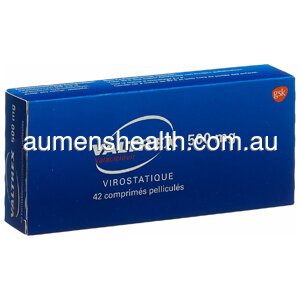
Box of 42 tablets.

Appearance and shape

White, biconvex, elongated, film-coated tablet with a white to off-white core and marked "GX CF1" on one side.

Valtrex: its other forms

  • Valtrex 500 mg film-coated tablet, box of 10
  • Valtrex 500 mg film-coated tablet, box of 112

Composition of the drug Valtrex

Active principle Compressed film
Valaciclovir 500 mg *

* per unit dose Active Ingredients: Valaciclovir Excipients: Tablet core: microcrystalline cellulose, crospovidone, povidone K 90, magnesium stearate, colloidal anhydrous silica, film coating: hypromellose, titanium dioxide, Macrogol 400, polysorbate 80? not present in the composition of this medicine

Effects on ability to drive and use machines

The effects of valaciclovir on the ability to drive and use machines have not been studied. The clinical status of the patient and the adverse reaction profile of Valtrex should be taken into account when evaluating the patient's ability to drive and use machines. However, the pharmacology of the active ingredient does not predict the existence of harmful effects on these activities.

Warnings and precautions for use

  • Reserved for adults and children over 12 years old.
  • Dehydration risk
  • Old subject
  • Renal insufficiency
  • Liver failure
  • Liver transplant
  • Herpes zoster with complications
  • Breastfeeding

Hydration status

In patients at risk of dehydration, especially the elderly, precautions should be taken to ensure adequate fluid intake.

Use in patients with kidney failure and in the elderly.

As acyclovir is excreted via the kidneys, the dose of valacyclovir should be reduced in patients with renal impairment (see section 4.2). Elderly patients are likely to have reduced kidney function; therefore, the need for dose reduction should be considered in this patient population. Elderly patients and patients with kidney failure are at increased risk of developing neurological side effects, and therefore should be closely monitored for any signs suggesting these effects. In reported cases, these reactions were generally reversible on discontinuation of treatment (see section 4.8).

Higher doses of valaciclovir for patients with liver failure and transplant recipients

There are no data on the use of higher doses of valaciclovir (4000 mg or more per day) in patients with liver disease. As no specific study has been conducted on the use of valaciclovir in liver transplant recipients, caution should be exercised when administering daily doses greater than 4000 mg in these patients.

Use in the treatment of shingles

The clinical response should be closely monitored, especially in immunocompromised patients. Intravenous antiviral therapy should be considered when the response to oral therapy is considered insufficient.

Intravenous antiviral therapy should be administered in patients with a complicated form of shingles, that is, with visceral involvement, disseminated shingles, motor neuropathies, encephalitis, and cerebrovascular complications.

In addition, in immunocompromised patients with ophthalmic shingles or in patients with a high risk of spreading the disease and visceral involvement, intravenous antiviral therapy should be administered.

Transmission of genital herpes.

Patients, even if they are already on antiviral therapy, should be warned not to have sexual intercourse if symptoms occur. During preventive antiviral therapy, although the frequency of viral clearance is significantly reduced, the risk of transmission is still possible.

Therefore, it is recommended that patients, in addition to valacyclovir treatment, have safe sex.

Use in HSV eye infections

The clinical response must be closely monitored in these patients.

Intravenous antiviral therapy should be considered when the response to oral therapy is considered insufficient.

Use in CMV infections

Efficacy data on valaciclovir from transplant patients (~ 200) at high risk for CMV disease (for example, CMV-positive / CMV-negative receptor donors or use of anti-thymocyte globulin induction therapy) indicate that valaciclovir alone It should be used in these patients if the use of valganciclovir or ganciclovir is excluded for safety reasons.

The high doses of valaciclovir required for CMV prophylaxis can lead to an increase in the frequency of side effects, including neurological abnormalities, compared to the lower doses administered in other indications (see section 4.8).

Patients should be closely monitored for any changes in renal function and dose adjusted accordingly (see section 4.2).

Mechanism of action: how does it work?

Antiviral for systemic use.

Pharmacotherapeutic group: Nucleosides and nucleotides, excluding reverse transcriptase inhibitors, ATC code: J05AB11.

Mechanism of action

Valacyclovir, which is an antiviral, is the L-valine ester of acyclovir. Acyclovir is a nucleoside analog of purine (guanine).

In humans, valacyclovir is rapidly and almost completely metabolized to acyclovir and valine, presumably by the enzyme called valacyclovir hydrolase.

Acyclovir is a specific herpes virus inhibitor with in vitro activity in herpes simplex virus (HSV) type 1 and type 2, varicella zoster virus (VZV), cytomegalovirus (CMV), Epstein-Barr virus (EBV). )) and human herpes virus type 6 (HHV-6). Acyclovir, once phosphorylated in active acyclovir triphosphate, inhibits viral DNA synthesis.

The first step in acyclovir phosphorylation is carried out by a specific viral enzyme. For HSV, VZV, and EBV viruses, it is a viral thymidine kinase (TK), which is only present in cells infected with the virus. For CMV, this selectivity is preserved, at least partially, since phosphorylation is ensured by a phosphotransferase activity dependent on the viral gene UL97. Activation of acyclovir by a virus-specific enzyme largely explains its selectivity.

The phosphorylation of acyclovir monophosphate in di and triphosphate is ensured by cellular kinases. Acyclovir triphosphate is a competitive inhibitor of viral DNA polymerase, and the incorporation of this nucleoside analog stops the lengthening of the DNA chain, thus interrupting the synthesis of viral DNA. Therefore, viral replication is blocked.

Pharmacodynamic effects

Acyclovir resistance is due to a thymidine kinase deficient phenotype, resulting in a disadvantaged virus in the natural host. Decreased sensitivity to acyclovir has been described due to slight changes in viral thymidine kinase or viral DNA polymerase. The virulence of these mutants is similar to that of the wild virus.

Monitoring of a large number of clinical HSV and VZV isolates from patients receiving acyclovir for treatment or prophylaxis has shown that the existence of viruses with reduced sensitivity to acyclovir is extremely rare in the immunocompetent subject and occasionally in severely immunocompromised patients, such as patients. with organ transplantation, patients with cancer chemotherapy and patients infected with the human immunodeficiency virus (HIV).

Clinical studies

Varicella zoster virus infection

Valtrex accelerates the disappearance of pain: it reduces the proportion of patients suffering from pain associated with herpes zoster, as well as the duration of this pain, including acute neuralgia, and also in patients over 50 years of age, poszosterian neuralgia. Valtrex reduces the risk of eye complications from ophthalmic zoster.

Intravenous therapy is generally considered the standard treatment for herpes zoster in the immunocompromised individual; however, limited data indicates a clinical benefit of valaciclovir in the treatment of VZV (shingles) infection in certain types of immunocompromised patients, including patients with solid organ cancer, HIV patients, autoimmune diseases, lymphoma, leukemia, and transplantation. of stem cells.

Herpes simplex virus infection

Valaciclovir for the treatment of HSV eye infections should be prescribed according to current therapeutic recommendations.

Studies have been conducted with valaciclovir for the treatment and prevention of genital herpes in HIV / HSV co-infected patients with a mean CD4 count plus 100 cells / mm3. Valaciclovir 500 mg twice a day was more effective than 1000 mg once a day in preventing symptomatic recurrence. The efficacy of valaciclovir at a dose of 1000 mg twice a day in treating recurrences was comparable, in terms of the duration of the herpes episode, to that of oral acyclovir at a dose of 200 mg five times a day. Valacyclovir has not been evaluated in patients with severe immunodeficiency.

The efficacy of valaciclovir has been documented in the treatment of other HSV skin infections.

Valaciclovir has been shown to be effective in the treatment of cold sores (cold sores), mucositis induced by chemotherapy or radiotherapy, in the reactivation of HSV after abrasion of the facial skin and in herpes gladiatorum. Based on historical data on acyclovir, valacyclovir is likely to be as effective as acyclovir in treating erythema multiforme, eczema herpetiformis, and herpetic paronychia.

Valaciclovir has been shown to decrease the risk of transmission of genital herpes in immunocompetent adults when taken as a preventive treatment and combined with safe sex. A double-blind, placebo-controlled study was conducted in 1,484 adult heterosexual, immunocompetent, and serodiscordant couples for HSV-2 infection.

Results showed significant reductions in transmission risk: 75% (acquisition of symptomatic HSV-2), 50% (HSV-2 seroconversion), and 48% (overall acquisition of HSV-2) for valaciclovir compared to placebo. Among subjects who participated in a viral spread substudy, valacyclovir significantly reduced diffusion by 73% compared to placebo (see section 4.4) for more information on reduced transmission.

Cytomegalovirus infection (see section 4.4)

CMV prophylaxis with valaciclovir in patients who have received an organ transplant (kidney or heart) reduces the rate of acute transplant rejection, opportunistic infections, and infections with other herpes viruses (HSV or VZV). A direct comparative study versus valganciclovir has not been performed to define the optimal therapeutic treatment strategy in patients who have undergone a solid organ transplant.

Interactions: do not take this medicine with ..

Particular attention should be paid to the concomitant administration of valacyclovir and nephrotoxic drugs, especially in patients with renal impairment, and justifies regular monitoring of renal function. This applies for concomitant administration with aminoglycosides, organoplatins, iodinated contrast media, methotrexate, pentamidine, foscarnet, cyclosporine, and tacrolimus.

Acyclovir is excreted primarily unchanged in the urine by active renal tubular secretion. After administration of 1000 mg of valacyclovir, cimetidine, and probenecid, by inhibiting active renal secretion of acyclovir, decrease the renal clearance of acyclovir and increase the AUC of acyclovir by approximately 25% and 45%, respectively. Co-administration of cimetidine and probenecid in combination with valaciclovir results in an increase in the AUC of acyclovir by approximately 65%. Co-administration of other medicinal products (including tenofovir) that have a competitive or inhibitory action on active tubular secretion may increase acyclovir concentrations by this mechanism. Similarly, the administration of valaciclovir can induce an increase in the plasma concentrations of the drugs administered in combination.

In patients exposed to higher doses of valaciclovir acyclovir (such as doses used to treat herpes zoster or prophylaxis of CMV infections), caution should be exercised during coadministration of treatments that inhibit active renal tubular secretion.

An increase in the plasma AUC of acyclovir and the inactive metabolite of mycophenolate mofetil, an immunosuppressive agent used in transplant patients, has been demonstrated when these two drugs are administered together. No changes in peak concentrations or AUC were observed during co-administration of valaciclovir and mycophenolate mofetil in healthy volunteers. Clinical experience with this association remains limited.

Incompatibilities

Aimlessly.

How to react in case of overdose?

Signs and symptoms

Cases of acute renal failure and neurological symptoms, such as confusion, hallucinations, agitation, altered consciousness, and coma, have been reported in patients with valaciclovir overdose. Nausea and vomiting can also occur. Caution is required to avoid any accidental overdose. Many reported cases have involved patients with renal failure and elderly patients receiving repeated overdoses, due to the lack of an appropriate dose adjustment.

Processing

Patients should be closely monitored for any signs of toxicity.

Hemodialysis significantly increases the clearance of acyclovir from the bloodstream and can therefore be considered as a treatment option in case of symptomatic overdose.

Valtrex: pregnancy, lactation and fertility

Pregnancy

A limited amount of data on the use of valaciclovir and a moderate amount on the use of acyclovir during pregnancy are available in the pregnancy records (having documented pregnancy outcomes in women exposed to valaciclovir and oral or intravenous acyclovir (active metabolite of valaciclovir); 111 and 1,246 of pregnancy (29 and 756 cases exposed during the first trimester of pregnancy, respectively) and post-marketing data have shown no toxicity to the unborn or newborn).

Animal studies have shown no reproductive toxicity of valacyclovir (see section Preclinical safety data). Valaciclovir should only be used in pregnant women if the expected benefit outweighs the potential risks.

Breastfeeding

Acyclovir, the main metabolite of valacyclovir, is excreted in breast milk.

However, at therapeutic doses of valaciclovir, no effect is expected in the breastfed newborn / infant, as the dose ingested by the latter represents less than 2% of the therapeutic dose of intravenous acyclovir used in the treatment of herpes. neonatal (see section Pharmacokinetic properties). Valaciclovir should be used with caution during lactation and only if necessary.

Fertility

Valacyclovir did not affect fertility in rats treated orally. At high doses of parenteral acyclovir, testicular atrophy and aspermatogenesis have been observed in rats and dogs. No human fertility study has been performed, but in 20 patients after 6 months of daily treatment with 400-1000 mg acyclovir, no change was observed in terms of sperm count, motility, or morphology.

You can read our articles:

Package Price
500 mg 90 pillsAUD 313.16
500 mg 48 pillsAUD 261.72
500 mg 60 pillsAUD 261.72
500 mg 36 pillsAUD 172.46
500 mg 24 pillsAUD 127.07
500 mg 12 pillsAUD 80.17
1000 mg 60 pillsAUD 326.77
1000 mg 48 pillsAUD 282.90
1000 mg 36 pillsAUD 236.00
1000 mg 24 pillsAUD 173.97
1000 mg 12 pillsAUD 108.91